

Night Wear Compression Garments
Nighttime Compression Garments, Night Compression Garments, Night-time Compression Garments For Lymphedema, Lymphedema Night Garments For Legs, Lymphedema Night Garments For Arm, And More!
Why should you not wear compression socks at night? Daytime compression garments, compression wraps, and lymphedema sleeves that are designed for use during the day (when you are up and active), can apply too much compression if you are not active and moving. Wearing a daytime compression sleeve while lying down can actually provide too much compression when it is not needed, which may restrict circulation and ultimately worsen your swelling.
Compression garments, wraps, and sleeves that are specifically designed for use at night, however, provide a lower level of compression than daytime lymphedema products, which makes them more comfortable to wear. These night-time compression garments for lymphedema use chipped foam to provide a gentle, massaging compression while you sleep that helps soften fibrotic tissue. Designed with channeling, nighttime compression garments promote fluid flow and help prevent fluid re-accumulation. Looser, less restrictive and made with special moisture-wicking fabric, night compression garments are breathable and more comfortable to wear than daytime compression sleeves.
Read more about Sleeping In Compression Stockings: Should You Wear Compression Stockings To Bed.
We have a large selection of compression garments, compression wraps, and compression sleeves designed to be be worn at night to help treat and manage lymphedema, edema, venous conditions, and other medical conditions requiring compression.
Shop our nighttime compression garments with pre-tax savings using your FSA or HSA account!
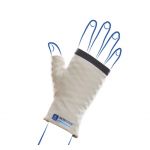
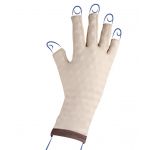
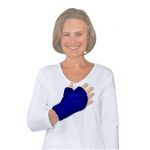
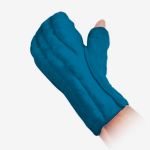
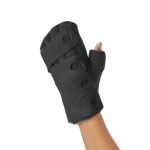
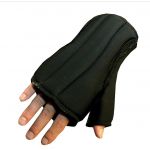
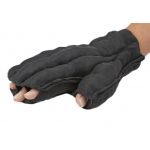
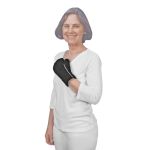
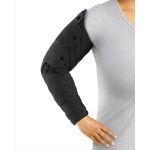
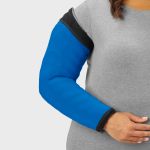
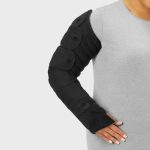
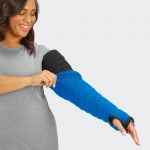
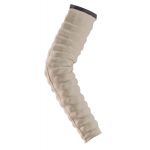
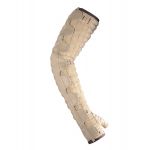
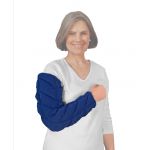
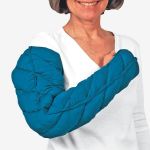
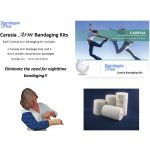

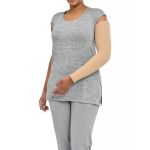
Night Time Compression Garments: Lymphedema Night Garments, Night-time Compression Garments For Lymphedema, Lymphedema Night Garments For Arm, Lymphedema Night Garments For Legs, Night Compression Garments, Nighttime Compression Garments, And More!
Why should you not wear compression socks at night? It is generally recommended that you not wear a daytime compression garment while you sleep. Wearing a daytime compression garment while lying down can actually provide too much compression when it is not needed, which may restrict circulation and ultimately worsen your swelling.
A daytime compression garment (compression arm sleeve, compression stockings, etc) is designed to be tighter at the bottom and gradually loosens along the length of the garment as nears the top, creating gradient pressure that helps the movement of lymph fluid upwards and out of the affected limb. These compression sleeves work on the concept of resting and working pressure. Resting pressure is the force that the compression sleeves apply to your arm or leg while the muscles are relaxed, while working pressure is a higher force that is created when your muscles are moving. The interaction of working and resting pressure creates a pump-like reaction that helps promote the movement of lymph fluid.
Compression garments, wraps, and sleeves that are specifically created for use at night, however, provide a lower level of compression than daytime lymphedema products, which makes them more comfortable to wear. Designed to be larger and bulkier, allowing them to fit a little looser than daytime compression sleeves, nighttime compression garments are typically made with foam and padded materials, provide continuous gentle pressure to your affected limb.
Unlike daytime compression sleeves which are designed to actively promote the flow of lymph fluid out of your arm, night compression garments are worn to prevent the lymph fluid from reaccumulating in your limb while you are sleeping. By wearing night-time compression garments for lymphedema, daytime compression bandaging time can also be reduced, and it can be easier to apply your daytime lymphedema garments, wraps, and sleeves.
You may also consider our RianCorp laser for lymphedema treatment (post-mastectomy), as an additional treatment alternative.
Night-time Compression Garments For Lymphedema
Some of the key features of nighttime compression garments include:
- Breathable cooling fabrics: Moisture-wicking fabrics help dissipate heat to prevent sweating and promote dry wearing comfort while sleeping
- Soft quilted out shell design: Thick, padded quilt outer shells offer comfort and flexible movement to aid sleeping
- Padded foam inner construction: more comfortable to wear while creating a gentle micro-massage effect that targets hardened fibrotic tissue and helps stimulate lymph flow
- Anatomical fit: Designed to fit anatomical structures of your arm and hands to enhance wearing comfort
- Channeled structure: helps promote the flow of lymph fluid out of your arm or leg
- Gentle compression: Lower pressure prevents construction and allows skin to recover
Style Options Of Night-time Compression Garments For Lymphedema
Our selection of lymphedema night garments includes:
- arm compression garments (wrist to shoulder and fingers to shoulder)
- full-length compression wrap arm sleeves (fingers to shoulder)
- compression gloves
- compression gauntlets
- lower leg compression wrap leg sleeves (toes to knee)
- thigh compression wrap leg sleeves (thigh only)
- full-length compression wrap leg sleeves (toes to top of thigh)
- mid-length compression wrap leg sleeves (toes to mid-thigh)
- foot and ankle compression garments
- compression chin straps
- compression face masks (full masks and half-masks)
- compression neck masks
- compression eye pads
Lymphedema Night Garments For Arm And Hands
Lymphedema Night Garments For Legs And Feet
Other Nighttime Compression Garments
Popular Brands Of Night-time Compression Garments For Lymphedema
Some of the more popular brands of night compression garments includes:
CircAid Profile nighttime compression garments
JoviPak nighttime compression garments
Juzo Night lymphedema night garments for arm
Sigvaris Chipsleeve nighttime compression garments
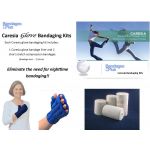
Solaris Tribute Wrap, TributeNight and Caresia nighttime compression garments
For more information about our nighttime lymphedema garments, compression wraps, and compression sleeves, please call (800) 700-1032, or e-mail: info@bandagesplus.com.
About Bandages Plus
Founded in 1992 by a lymphedema specialist to provide products to patients, therapists, and hospitals, Bandages Plus is now one of the nation's leading suppliers of lymphedema products, compression stockings for venous insufficiency, compression stockings for varicose veins and vein disease, and much more! Located in Miami, Florida, we ship products to hospitals, healthcare facilities and customers across the U.S. We are also a Certified Veteran-Owned Small Business (VSOB).
Thousands of Healthcare Products For Lymphedema, Venous Disease And Post-Surgery
In addition to compression stockings and compression garments, we also have a large selection of bandaging supplies, lymphedema shoes and boots, compression garments, wound care supplies, and skin care supplies for the treatment of lymphedema, edema, varicose veins, venous disease, post-operative procedures, and more!
••••••••••••••••••••••••••••••••••••
FAQs About Nighttime Compression Garments For Lymphedema
Nighttime compression garments are specifically designed to manage lymphedema during sleep and non-active waking hours. Below are some of the most frequently asked questions about nighttime compression garments.
- What Are Nighttime Compression Garments
- Who Should Wear Nighttime Compression Garments
- Why Should I Wear Nighttime Compression Garments
- What Is The Difference Between Nighttime Compression Garments And Daytime Compression Garments
- Why Do I Need Less Compression At Night
- Are There Different Types Of Nighttime Compression Garments
- What Are The Levels Of Compression In Nighttime Garments
- How Do I Know If My Nighttime Compression Garment Is Fitting Properly
- Can I Wear Nighttime Compression Garments During The Day
- How Often Should Nighttime Compression Garments Be Replaced
- Can Nighttime Compression Garments Be Washed
- Do I Need A Prescription To Get Nighttime Compression Garments
- Do Insurance Companies Cover Nighttime Compression Garments
- Does Medicare Cover Nighttime Compression Garments
Nighttime compression garments are garments that are designed to help encourage lymphatic fluid drainage while you sleep or are inactive.
Nighttime compression garments are designed for people who experience significant swelling and need continuous compression in order to help manage their lymphedema. Nighttime garments are also sometimes recommended for people to wear during the daytime, if they are fairly inactive and/or find standard compression garments too uncomfortable.
Check with your healthcare provider before you wear nighttime compression garments. In general, however, the point of wearing nighttime compression garments is to maintain limb volume and prevent lymph fluid from accumulating overnight. Nighttime compression garments might can lead to better sleep, if you have less swelling and are more comfortable.
At night, you want just the right amount of gentle, sustained compression to keep fluid from reaccumulating. Daytime compression garments, on the other hand, are meant to help actively reduce limb size, while you are active and moving around. Because of the different objectives, nighttime garments are usually less restrictive and made from softer, more breathable materials, while daytime garments tend to be more rigid.
When you sleep, you need less compression because there is naturally less fluid being pumped through your body. Therefore, less compression is needed to assist in lymphatic blood flow. Also, when you sleep, your body is usually in a horizontal position. This position reduces the effects of gravity on blood and lymphatic fluid circulation, compared to when you are upright. Therefore, the fluids do not need to be actively pushed upward against gravity, so you need less external compression. Finally, while you sleep or are inactive, your blood pressure tends to lower and your heart rate decreases. Excessive compression could interfere with those natural adjustments, potentially affecting the quality of your sleep and your overall circulatory health.
We have a large selection of nighttime compression garments and sleeves for just about every part of the body, including: legs, arms, hands, feet, wrists, neck, face, and eyes.
Nighttime garments are designed to complement daytime compression therapy, providing continuous lymphedema management without the intensity of daytime compression levels. Nighttime wear typically provides a lower level of compression than daytime garments, and the most common compression levels are:
15-20 mmHg (mild compression)
20-30 mmHg (moderate compression)
Your nighttime compression garments should fit snugly, but not too tightly. You should be able to move freely without feeling restricted or experiencing pain. Your garment should cover the area of your body that is affected by lymphedema, including any areas that are prone to swelling. You should feel a gentle, even compression being applied throughout the garment, without any tight spots or loose areas. Your compression garment should stay in place throughout the night without shifting or sliding down, and there should not be any areas of pinching, bunching, or folding across the garment.
Your healthcare provider should make specific recommendations. In general, however, nighttime compression garments are designed to be worn while you sleep, because they provide a lower level of compression. This lower level of compression might not be sufficient for managing your lymphedema during the day, when you are more active and require a higher level of compression and support.
Generally, nighttime compression garments should be replaced every 3-6 months, because of stretching and the wear and tear from regular use.
You will need to follow the specific instructions from the manufacturer of your nighttime compression garments. In general, however, most nighttime compression garments can be washed in mild detergent, rinsed thoroughly, and air-dried. You should avoid fabric softeners and bleach, because they can degrade the material.
No. You can order all of our nighttime compression garments without a prescription.
Some insurance plans cover nighttime compression garments, with a prescription. Check with your insurance provider for specifics about your coverage.
Starting in January 2024, thanks to the Lymphedema Treatment Act, Medicare began covering compression products, including compression bandaging systems and supplies that are used during the initial decongestion phases and maintenance phases of lymphedema treatment. Click here to read more about the Lymphedema Treatment Act and how to order nighttime compression garments.
Please note that all of the information above is for general informational purposes. Please consult your healthcare provider for specific information and personalized recommendations for your situation.
For more information about our nighttime compression garments for lymphedema, please call (800) 700-1032, or e-mail info@bandagesplus.com
••••••••••••••••••••••••••••••••••••
Popular search terms for nighttime compression garments and night-time compression garments for lymphedema
Lymphedema Night Garments For Legs Night-time Compression Garments For Lymphedema Nighttime Compression Garments Night Compression Garments Lymphedema Night Garments For Arm Night Time Compression Garments Night Time Compression Garments For Lymphedema Nighttime Compression Socks Nighttime Compression Sleeve Night Time Compression Socks Lymphedema Night Garments Night Time Compression Garments For Lymphedema
Why Should You Not Wear Compression Socks At Night Compression Socks At Night Can You Wear Compression Socks At Night Should Compression Socks Be Worn At Night Should You Wear Compression Socks At Night Should Compression Stockings Be Worn At Night Compression Stockings At Night Should I Wear Compression Socks At Night Can Compression Socks Be Worn At Night Can I Wear Compression Socks At Night Should Compression Hose Be Worn At Night Can You Wear Compression Stockings At Night